

By Michael Vasquez
The Industrial Tide and Community Identity
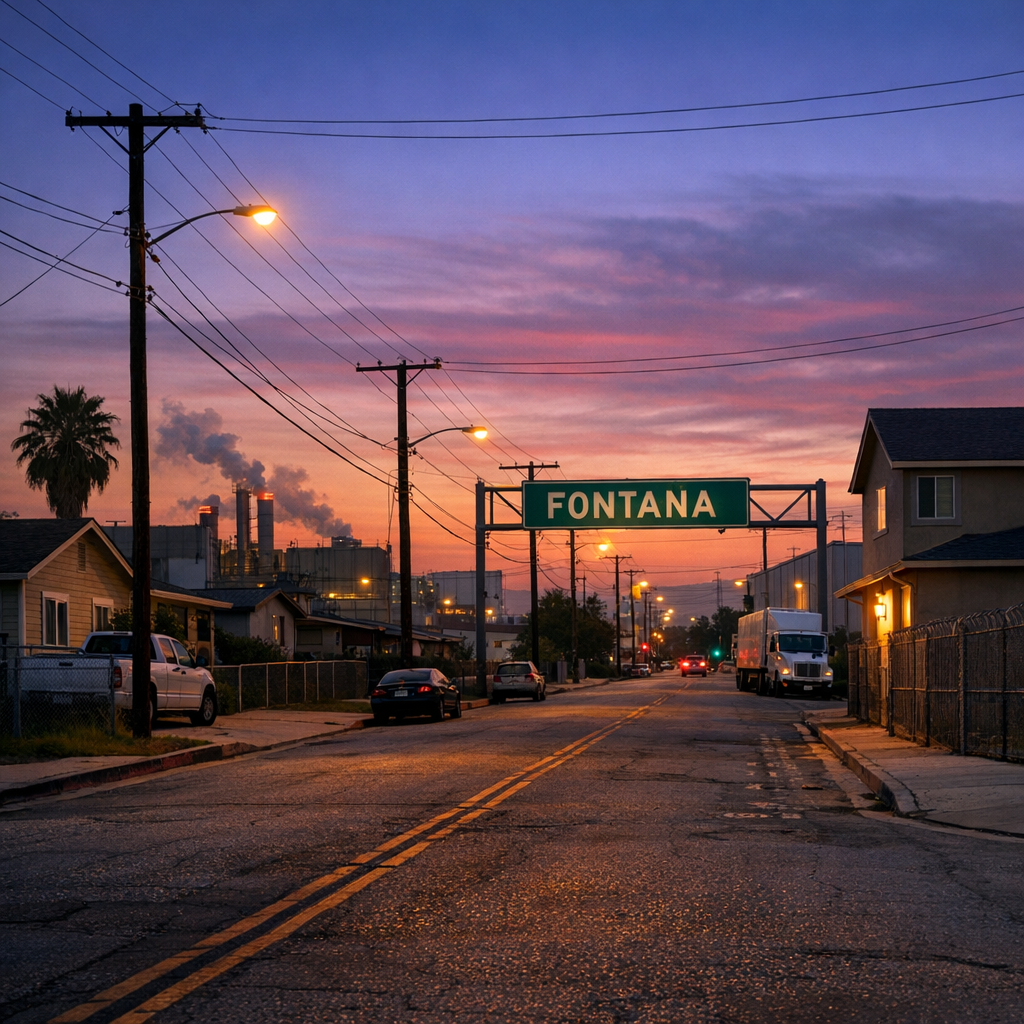
More than once in recent years, neighbors especially in South Fontana have raised alarms over the proliferation of warehouses and industrial rezoning in places that were once residential or designated for mixed retail. Concerns are many: increased truck traffic, worsening air quality, fewer small businesses taking root, and a shrinking sense of neighborhood identity. These aren’t just aesthetic worries—these shifts affect daily life.
Real Voices, Real Impact
I talked with long-time residents who say that one of the hardest hits is feeling like the city they know is disappearing. In petitions and public meetings, parents voice that where their children once walked to a mom-and-pop shop, now they cross wide arterials packed with semis. Storefronts feel discouraged when commercial zoning is turned industrial, rendering retail growth nearly impossible.
Housing: Affordability and Access
Fontana’s Housing Department states its mission clearly—to increase, preserve, and improve housing that’s affordable and livable, especially for lower- and moderate-income families. Many acknowledge that mission matters now more than ever.
What the Surveys Reflect
According to past surveys and city planning input, residents largely favor increasing housing options across income levels—whether for average, below-average incomes, or seniors. Folks want a mix of housing types that honor the character of existing neighborhoods while allowing for growth. Families often feel homes are newer in the north and newer housing is more affordable, but that lives stretched out with car dependency, and burdened by long commutes, dilute the gains.
Downtown Fontana: Potential vs. Obstacles
Downtown Fontana holds promise. It’s located between major commuting routes, has historic sites, and possesses an under-used core that could become more than a pass‐through district. But zoning hurdles, inconsistent streetscape design, limited mixed-use housing options, and facades needing upgrades have led to disjointed development. Instead of a bustling hub, parts of downtown resemble broad parking lots or industrial edges.
Community Aspirations and Shared Future
What I heard most in conversations is a longing for balance. Residents want to feel safe and proud—affordable housing, clean air, vibrant local business corridors, and streets where kids can walk without fear. They want public spaces, shade trees, sidewalks, better lighting, and cultural touches that reflect Fontana’s majority Latino and working-class identity.
Steps Worth Supporting
- Supporting mixed-use zoning downtown so businesses, residents, and gathering spaces share blocks.
- Stricter environmental review before approving large industrial projects in residential or sensitive zones.
- Policies to ensure housing options are accessible to seniors and those earning average or below-average incomes.
- Public input forums held at times and locations accessible to working families.
- Beautification efforts—not only big projects, but regular maintenance, lighting, and greenery that let neighborhoods feel cared for.
My hope—as someone who grows more rooted in this town every year—is that we can keep what makes Fontana special while growing thoughtfully. There are no simple solutions, but when more people listen—not just speak—then we can build a city that reflects all of us, not just warehouses or far-off visions.